
|
Share to:
Related Products
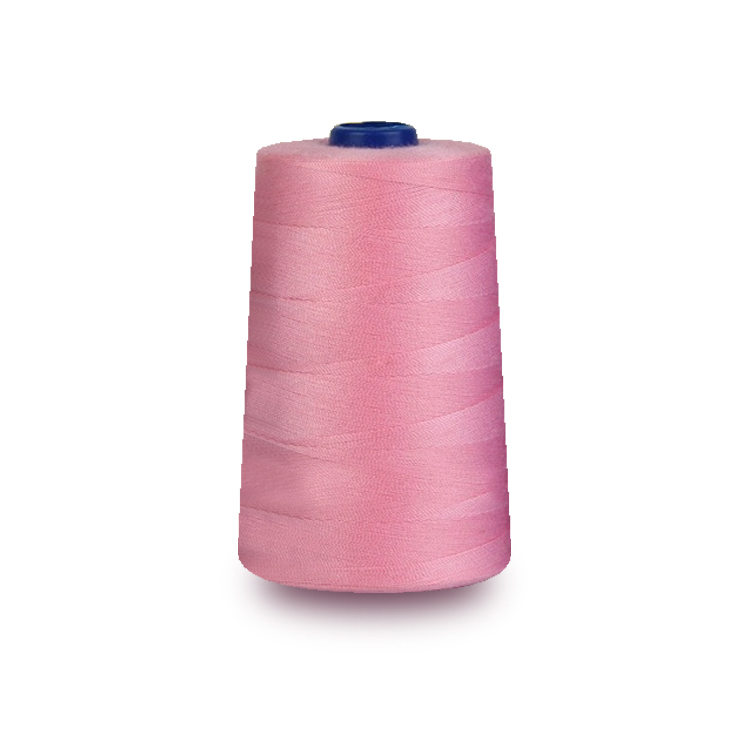

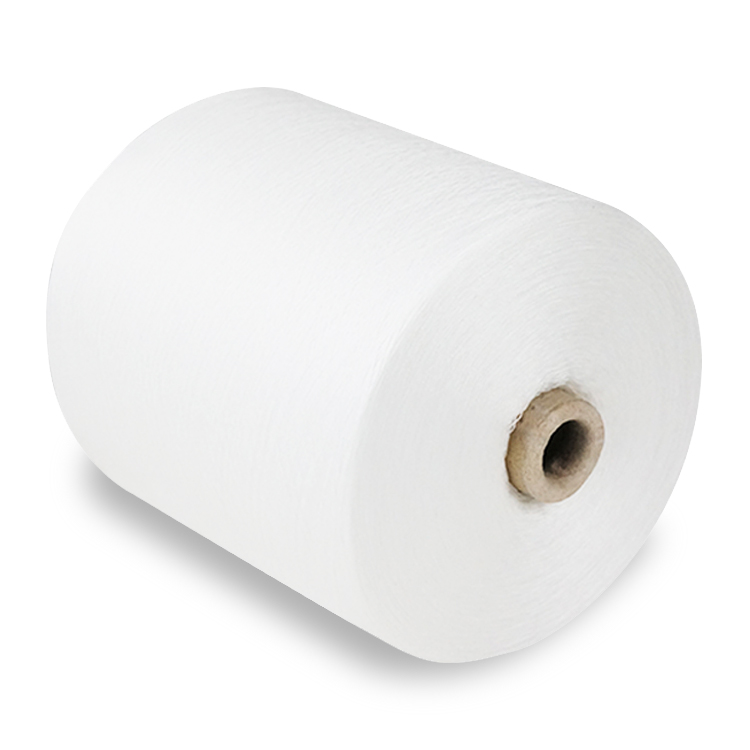
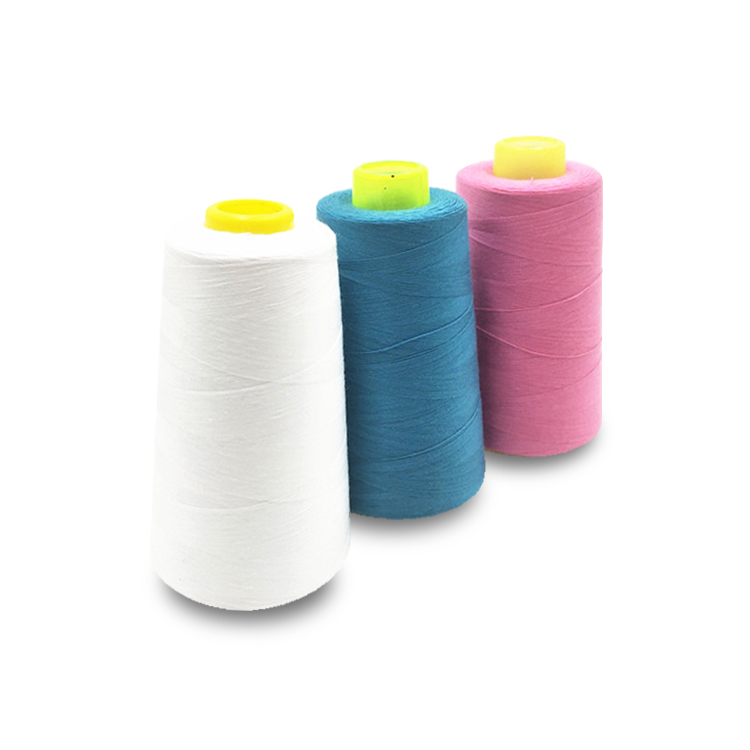
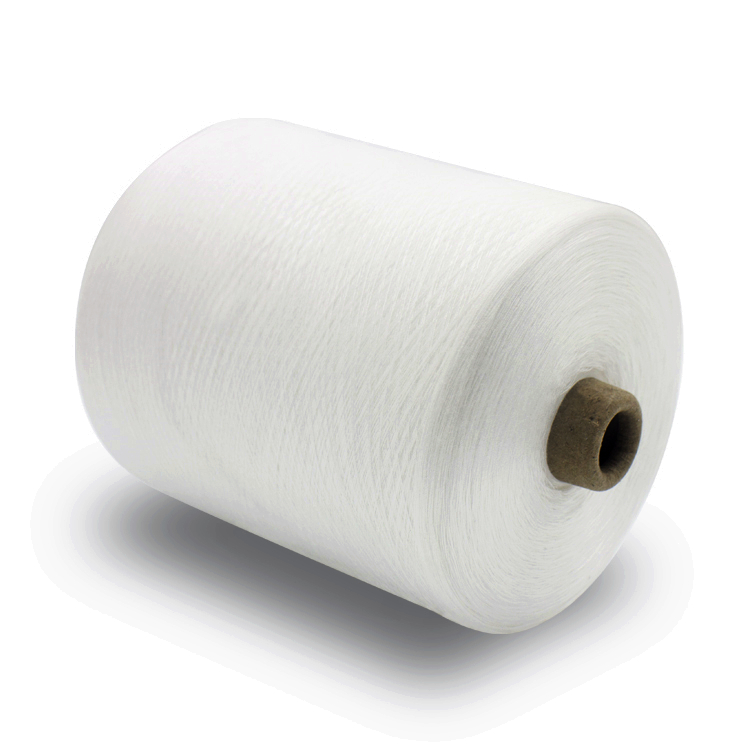

100% polyester 40s/2 dyed spun yarn
LQ-0412
Price: From $0.66
Delivery time: 9-20 days after payment
MOQ: 500 KG
100% polyester 40s/2 dyed spun yarn
How to control spinning fine defects with testing instruments
With the extensive application of modern digital control technology in textile machinery, textile accessories and textile test instruments, as well as the improvement of stability, consistency and long-term performance of textile accessories and textile special parts, frequent yarn defects are almost completely controlled. However, due to the variability of spinning raw materials, the uncontrollability of carding technology, the discontinuity of clean management and the large number of floating fibers Process variability and occasional defects become difficult to control and reduce, which will be the key to the improvement of spinning technology and the improvement and development of standard formulation in the future.
The control of fine yarn defects must start from raw material purchasing management, cotton blending management, equipment management, equipment management, production management, and environmental management; at the same time, it is necessary to test and control the defects and hazardous defects in all relevant processes of spinning with the help of existing spinning test instruments, including single fiber tester, evenness tester and 100000 m yarn defect meter. Only by establishing strict key spinning process control standards and inspection requirements can the fine yarn defects in cotton yarn which are harmful to cloth surface be removed effectively and meet the standard control requirements of fabric surface quality for fine yarn defects.
Single fiber tester is the basis of controlling fine yarn defects
At present, the fast testing instrument for cotton physical index and blended cotton quality index is the large capacity cotton fiber tester. Few spinning manufacturers use single fiber tester to test the physical index of cotton. Because the cotton fiber itself contains a large number of unopened fiber bundles, cords, hard impurities, cottonseed shell, large stiff pieces and large sterile seeds, the cotton fiber is in a state of hardening, which needs to be opened before forming a fiber bundle state. However, the opening effect and opening capacity of the single fiber tester's opening roller are relatively weak, which makes it relatively difficult to make cotton fiber bundle, and it is easy to produce uneven thickness in the production process. Such a cotton fiber bundle is easy to damage the carding roller of the single fiber tester when opening the single fiber tester, and it is also easy to block the carding roller and measuring channel, Many defects in cotton will be accidentally removed, resulting in errors in the test data of single fiber tester.
The single fiber tester is used to control the indexes of superior cotton, and the physical index control standard for single fiber test of blended cotton is formulated, especially for the test of short fiber, immature fiber, nep, seed with fiber, impurities and micro dust, which is the key to improve the cleaning efficiency of combing and combing process, and also to analyze the quality control index of carding sliver and combed sliver, as well as the cotton yarn and fabric fine yarn The key of defect control; otherwise, the actual control deviation of cotton quality index and mixed cotton index tested by single large capacity fiber tester will appear larger actual control deviation; therefore, in the future, textile factory must take single fiber tester as the main test instrument and large capacity cotton fiber tester as auxiliary in order to truly control the terminal cotton from the source The purpose of yarn quality.
The key to control the fine yarn defect is to check the quality of carding sliver with single fiber tester
The spinning practice shows that 90% of the carding sliver quality has been determined after the carding sliver quality is formed in the carding process, and the fine yarn defects of the carding yarn are basically determined; as for the combed cotton yarn, the basic determination of the quality of the combed cotton yarn is determined by the carding sliver quality and combing sliver quality.
The quality of combing sliver is the main factor to determine the quality of combed yarn. The fine yarn defects of combed yarn are determined by the number of harmful defects in the combed sliver. Because there are many carding machines and combers in spinning factory, and carding machine and comber are the key process of spinning quality control, the testing speed, testing cycle and testing quantity of carding sliver quality and combing sliver quality are directly related to the quality of carding sliver and combing sliver.
Due to the slow speed of conventional visual inspection methods, the number of tests is affected by human factors, light factors and combing quality factors, so the comparison of test data is poor. Therefore, establishing the quality control standard of carding sliver and combing sliver is the key to control the fine yarn defects of cotton yarn. Table 1 shows the quality standards of semi-finished products of Uster at different levels.
Development and application of multi functions of sliver tester
In many spinning mills, there are not only no large capacity cotton fiber tester and single fiber tester, but also no 100000 meter yarn defect tester. Through a long-term tracking of some domestic spinning mills, it is found that only 10% of the spinning factories have these instruments. The quality control of many spinning factories is almost based on several simple indexes of cotton yarn evenness, details, slubs and neps, and the technicians and managers of these spinning factories don't know what the harmful fine yarn defects are. Although there is only a simple yarn evenness tester, there are several changes of the quality indicators in details, slubs and neps. These - 30%, - 40% details, + 35% slubs and + 140% neps all reflect the existence of a large number of fine yarn defects. The analysis and control of these test quality indexes play an important role in controlling fine yarn defects.
Some powerful textile manufacturers will have large capacity cotton fiber tester, single fiber tester, evenness tester, high-speed strength tester and 100000 m yarn defect tester. If the quality control indexes of different cotton, sliver, cotton yarn and fabric tested by these testing instruments are organically combined to establish corresponding control standards, the long-term stability of fine yarn defects can be ensured.
The use of 100000 m yarn defect tester is the key to formulate the fine yarn defect control standard
The most commonly used testing instruments in textile mills are evenness tester, some conventional weight tester and twist tester. The quality management personnel mistakenly believe that single fiber tester and 100000 m yarn defect tester are not important for cotton yarn test, and the control indexes of test are too far from the conventional eye detection and blackboard sliver defect detection, which can not establish an effective corresponding relationship Quantity and quality control of cotton yarn will not help. In fact, this wrong understanding is harmful not only to the quality control of cotton yarn, but also to the quality control of semi-finished products, not to mention the control of fine cotton yarn defects. Only by changing the control concept of cotton yarn defect and semi-finished product quality index, understanding the quality control index of single fiber tester and 100000 m yarn defect tester is more comprehensive, and the control of cotton yarn quality and defects is more effective, the single fiber tester and 100000 m yarn defect tester can be used better.
This paper summarizes the rules and causes of fine yarn defects in the related process of 100000 m yarn defect meter, establishes the fine yarn defect control standards of different varieties and different quality requirements, so as to effectively guarantee the quality of cotton yarn and fabric. By controlling the fine yarn defects A0, A1, A2, B0, B1, B2, C0, C1, H0, H1, other harmful physical indexes of cotton yarn are controlled, and the control standard and range of cotton, blended cotton, carding sliver, NEP of combed sliver, seed chips with fiber, impurities, short fiber rate and percentage content of immature fiber are established.
It is far from meeting the requirements of quality control standard to control the quality of cotton yarn only relying on evenness meter. Therefore, increasing the test frequency and content of single fiber tester, testing length and times of 100000 m yarn defect meter are the key to reduce cotton yarn fabric defects. It is also the formulation of cotton yarn quality control index, fabric defect control index, carding sliver control index and combing sliver The key of control index and mixed cotton control index. The reasonable use of foreign advanced testing instruments can reduce the burden of quality management and the cost of spinning production
Many of our polyester yarn factories use these inspection methods to control product quality.