

|
Share to:
Related Products


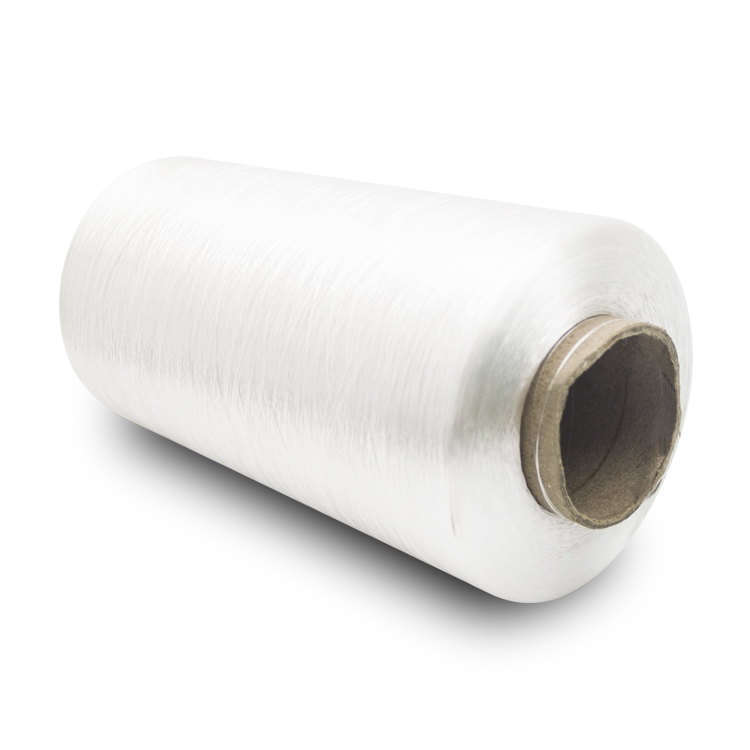
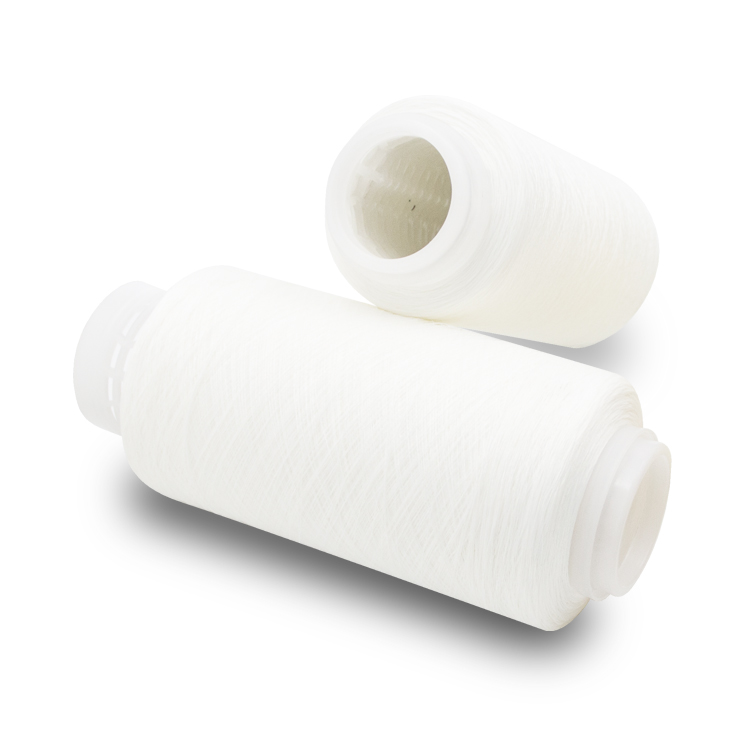
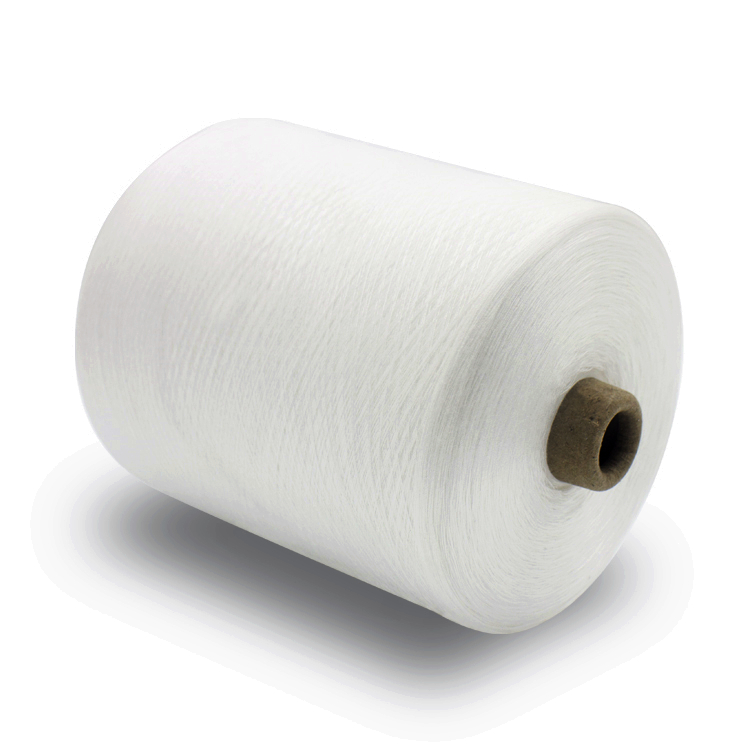

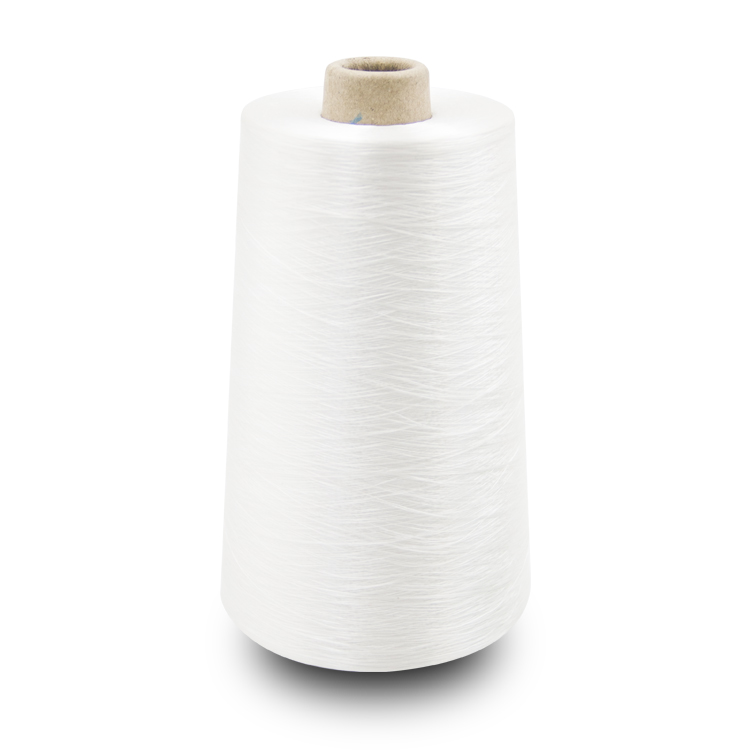
2020 hot sale high tenacity z twist 40/2 dyed color 100% polyester sewing yarn
LQ-0412
Price: From $0.66
Delivery time: 9-20 days after payment
MOQ: 500 KG
2020 hot sale high tenacity z twist 40/2 dyed color 100% polyester sewing yarn
Dyeing and proofing of nylon fabric
The dyeing rate of nylon is fast and exhaustion rate is high, but it is easy to produce defects such as uneven dyeing, color mismatch and poor dyeing fastness. Through the test of proofing and dyeing process, the dye series with similar dye uptake curve and affinity, good compatibility and suitable for production machine are selected, and the reasonable process is formulated from the aspects of temperature, bath ratio, pH value, selection and dosage of levelling agent, etc.; through the standard proofing, color matching and other operations, the differences between large and small samples are reduced, and the rate of superior products is improved.
2. Common defects and preventive and remedial measures
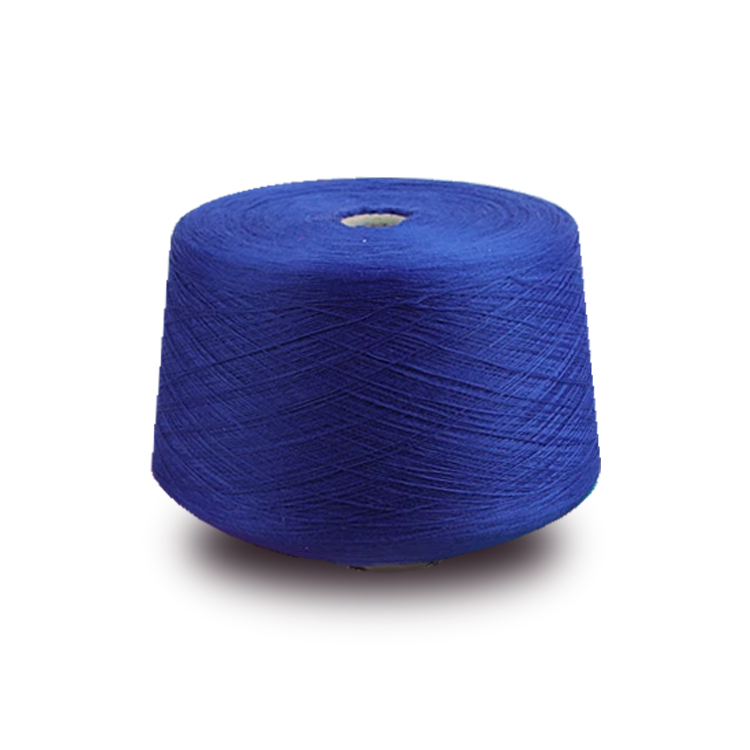
2.1 color difference caused by dyeing
This is due to the improper selection of dyes and chemicals. The saturation value of nylon dyeing is very low, so the competition between different dyes is very prominent in the color matching. If the dye used has great difference in dye uptake and affinity, the color of the fiber dyed will be greatly different in different dyeing time, resulting in color difference of size sample and poor reproducibility. The preventive and remedial measures are to select the dyeing curve, similar affinity, good compatibility, and suitable for the production of dyeing and chemical materials series.
2.1.1 when the compatibility of dyes is fully considered and several dyes are used for dyeing, appropriate dyes shall be selected and the amount of dyes shall be controlled.
Generally, the same series of dyes from the same company should be selected as far as possible. Even if the dyes from different companies have to be used for matching, the dyes with similar dye uptake curve, similar initial dyeing temperature and similar sensitivity to temperature and levelling agent should be selected as far as possible to avoid competitive dyeing.
2.1.2 pay attention to the difference between the size of dye and the size of dye. Some dyes are not obvious in the small sample dyeing, but they are fully exposed in the mass production. For example, in the production of lake green and peacock blue, if acid turquoise blue and acid yellow are used, similar problems will occur. This is due to the large molecular structure of acid turquoise blue, which is quite different from the dyeing curve of acid yellow. If acid green basket and acid green with yellow light are used, the problem of competitive dyeing will be basically solved.
2.1.3 pay attention to the adaptability of the machine to dyes, such as jet dyeing machine, warp beam dyeing machine and jigger dyeing machine. In jet dyeing machine, the dyestuff is in full contact with the fabric, the levelness is good, the feel of the product is full, the reproducibility is good, the cylinder difference is small, but the fastness to wet treatment is relatively poor. Weak acid dyes or 1:2 metal complex acid dyes with good fastness but slightly poor levelness can be selected for dyeing.
2.2 the defects caused by unreasonable process require a high level of process.
Process conditions, such as temperature, bath ratio, pH value and so on, are important factors affecting the color light and levelness of dyed products. Unreasonable technology is easy to produce defects such as poor level dyeing, color flower, color willow, color difference and poor fastness.
2.2.1 control the initial dyeing temperature and heating rate
Temperature is an important factor in controlling dye uptake. The temperature will affect the expansion degree of the fiber, the performance of the dye (solubility, dispersion, dye uptake, color light, etc.) and the performance of the auxiliary agent. Nylon is a thermoplastic fiber, the dyeing rate is very slow when the temperature is low. When the temperature is over 50 ℃, the swelling of the fiber increases with the temperature.
If the shrinkage resistant dye is used to dye nylon, the initial dyeing temperature should be room temperature, in the temperature range of 65-85 ℃, strictly control the heating rate of ℃ / min, add leveler, and adopt the step heating method; then the temperature is raised to 95-98 ℃, and the temperature is kept for 45-60 min. In addition, the dyeing performance of this kind of fiber also changes with the heat treatment conditions before dyeing.
2.2.2 determination of appropriate bath ratio
Due to the limitation of equipment, the bath ratio of small sample will be larger than that of large-scale production, but if the bath ratio is too high, the dye uptake will be reduced, resulting in color difference between large and small samples. The bath ratio of light and thin taffeta is generally 1:50, and the bath ratio of heavy fabrics is 1:20, subject to the fact that the fabrics can be completely immersed in the dye solution.
2.2.3 control pH value
The pH value of dye bath has a great influence on dye uptake, which will increase rapidly with the decrease of pH value. When nylon is dyed with weak acid dyes, the pH value of light color is generally controlled at 6-7 (usually adjusted by ammonium acetate), and the amount of levelling agent is increased to strengthen levelling and avoid flower dyeing, but the pH value should not be too high, otherwise the color light will fade; the pH value of dark color is 4-6 (usually adjusted by acetic acid and ammonium acetate), and proper acetic acid is added in the process of heat preservation to reduce the pH value and promote dye dyeing.
2.2.4 pay attention to the selection and dosage of levelling agent
In view of the poor levelness and coverage of nylon dyeing, a small amount of anionic or non-ionic leveler should be added to the dyeing bath, among which anionic surfactant is the main one. It can not only be used in the same bath with dye, but also can be used in pretreatment of nylon with levelling agent.
It is found that the leveler can improve levelness and covering ability, but with the increase of the concentration of auxiliaries, the dye uptake rate decreases, resulting in the decrease of exhaustion rate, so the leveler dosage should not be too much. Because leveling agent not only has leveling effect in dyeing process, but also has blocking effect.
Leveler should be used together with the corresponding dyes, but the dosage should be adjusted according to the actual situation. In the production of small samples, the amount of levelling agent is controlled at 0.2-1.5g/l, that is to say, on the premise of achieving good levelling effect, if the residual rate of light color is 2% - 3% and that of medium dark color is 5% - 15%, the amount of levelling agent is the required amount. The mass production can be corrected according to the amount of sample, which can achieve good results.